- +2348032194900
- info@ptaifoundation.org
- Suite 6, Nelle Mall, Admiralty Way, Lekki Phase1, Lagos
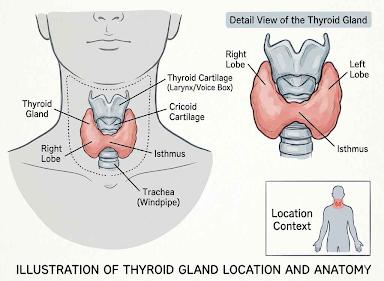

The thyroid is a small, butterfly-shaped gland located at the base of the neck. It produces hormones that regulate how the body uses energy.
These hormones control key functions such as metabolism, heart rate, body temperature, digestion, and mood. When the thyroid works properly, the body maintains balance. When it does not, it can affect multiple systems.
Thyroid conditions affect millions of people worldwide. Early recognition and treatment are key.
In hypothyroidism, the thyroid produces too little hormone. This slows down the body’s functions. Symptoms often include fatigue, weight gain, sensitivity to cold, and dry skin.
Hyperthyroidism occurs when the thyroid produces too much hormone. It speeds up body processes, causing weight loss, rapid heartbeat, anxiety, and heat intolerance.
These are small lumps or growths within the thyroid. Most nodules are benign, but some may require monitoring or biopsy to rule out cancer.
Thyroid cancer is relatively rare but typically highly treatable, especially when diagnosed early. Treatment options often include surgery, radioactive iodine, and sometimes hormone therapy.
Thyroid conditions can be subtle and progress slowly. If you notice any of these signs, it’s important to get checked.
Key symptoms include:
Your donation helps us educate communities, support individuals living with thyroid disorders, and promote early detection. Every contribution strengthens our outreach and brings care closer to those who need it most.
Join us to raise awareness and support those living with thyroid disorders.
Certain groups are more likely to develop thyroid disorders. Awareness of these risk factors can lead to earlier detection.
Those at higher risk include:
People with a family history of thyroid disorders
Those with autoimmune diseases, such as Type 1 diabetes or lupus
People who have had radiation treatments in the neck or chest
By understanding these risk factors, individuals can take preventive steps and seek care sooner.
Identifying thyroid issues begins with a thorough evaluation. Doctors often conduct blood tests to measure TSH (thyroid-stimulating hormone) and thyroid hormone levels. Sometimes, ultrasound or other imaging is used to assess the gland’s structure.
Treatment depends on the diagnosis. Hypothyroidism is typically treated with daily hormone replacement. Hyperthyroidism may require medication, radioactive iodine, or surgery. Thyroid nodules are monitored, and thyroid cancer is often treated with surgery and follow-up therapies.
If you notice persistent or unusual symptoms, do not wait. Early intervention makes a significant difference. Contact your healthcare provider if you have ongoing fatigue, unexplained weight changes, neck swelling, or mood shifts. The sooner you get evaluated, the better your outcomes can be.
Copyright © 2026 PTAI. All rights reserved.