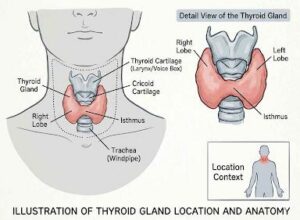
The thyroid is a small, butterfly-shaped gland at the base of the neck. Despite its size, it regulates many vital functions, including metabolism, heart rate, body temperature, and energy levels. When the thyroid becomes overactive or underactive, the effects can be wide-ranging and, at times, subtle. Recognizing early warning signs is important, as timely care can prevent long-term complications.
Understanding Thyroid Imbalance
Thyroid disorders generally fall into two broad categories:
- Hypothyroidism: when the thyroid produces too little hormone
- Hyperthyroidism: when the thyroid produces too much hormone
Each condition presents its own pattern of symptoms, though some signs may overlap.
Early Signs of Hypothyroidism
Hypothyroidism often develops gradually, which makes it easy to overlook in its early stages. Common warning signs include:
Persistent Fatigue
Feeling unusually tired despite adequate rest is one of the earliest indicators. Daily activities may begin to feel more demanding than usual.
Unexplained Weight Gain
A slowed metabolism can lead to gradual weight gain, even without changes in diet or activity level.
Sensitivity to Cold
Individuals may feel unusually cold compared to others, even in warm environments.
Dry Skin and Hair
Skin may become rough and dry, while hair can turn brittle or begin to thin.
Constipation
Slower digestive processes often lead to infrequent or difficult bowel movements.
Depressed Mood or Low Motivation
Changes in mood, including feelings of sadness or reduced interest in usual activities, may appear early.
Early Signs of Hyperthyroidism
Hyperthyroidism tends to present more noticeably, as the body’s systems become overactive. Early symptoms may include:
Unintentional Weight Loss
Weight may drop despite a normal or increased appetite.
Rapid or Irregular Heartbeat
Palpitations or a racing heart can occur, even at rest.
Increased Sensitivity to Heat
Excessive sweating and discomfort in warm conditions are common.
Nervousness or Anxiety
A persistent sense of restlessness, irritability, or unease may develop.
Tremors
Fine shaking of the hands or fingers can be an early sign.
Frequent Bowel Movements
An increase in digestive activity may lead to more frequent stools.
Physical Changes to Watch For
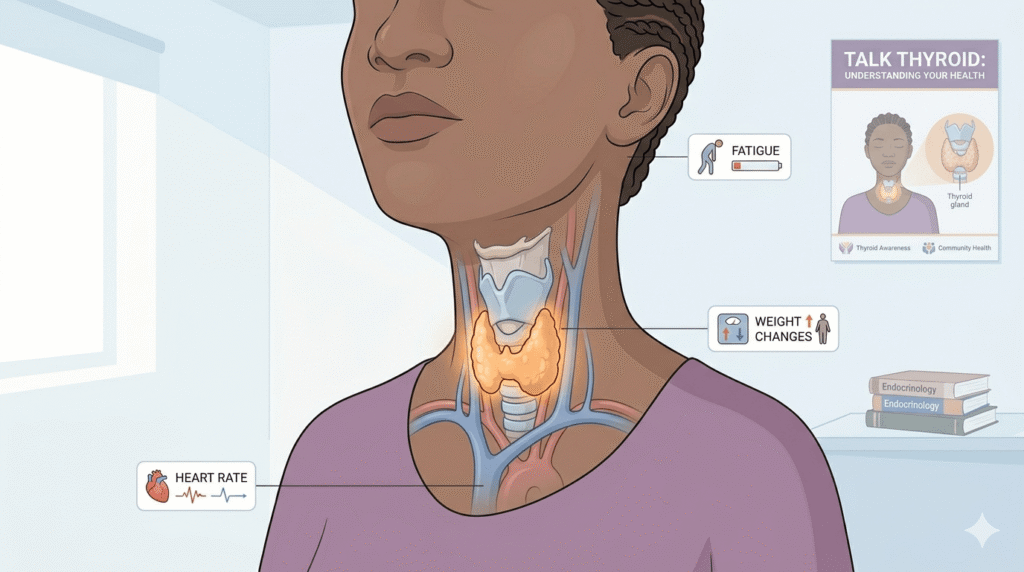
Some thyroid conditions cause visible or physical changes that should not be ignored:
Neck Swelling
An enlargement of the thyroid, known as a goiter, may appear as swelling at the front of the neck.
Voice Changes
A hoarse or weak voice can sometimes be linked to thyroid enlargement.
Difficulty Swallowing or Breathing
In more pronounced cases, swelling may press on surrounding structures.
Menstrual and Fertility Changes
In women, thyroid imbalance can affect reproductive health. Early signs may include:
- Irregular menstrual cycles
- Heavier or lighter periods than usual
- Difficulty conceiving
These changes are often overlooked or attributed to other causes, making awareness especially important.
When to Seek Medical Advice
Occasional tiredness or mood changes are part of everyday life. However, when symptoms persist, worsen, or appear in combination, they should not be dismissed. A simple blood test can evaluate thyroid function and guide appropriate care.
Early diagnosis allows for effective management, often with straightforward treatment such as medication and regular monitoring.
Why Early Detection Matters
Untreated thyroid disorders can lead to more serious health issues over time, including heart problems, infertility, and complications during pregnancy. With early attention, most thyroid conditions can be managed successfully, allowing individuals to maintain a normal and active life.
Final Thoughts
Thyroid disease often begins quietly, with symptoms that are easy to overlook or attribute to stress or aging. Paying attention to changes in your body is a practical step toward protecting your health. If something feels off and persists, it is worth investigating.
Awareness remains one of the most effective tools in preventing long-term complications.