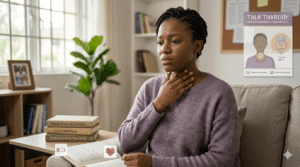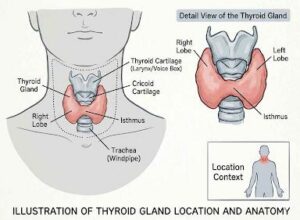
The thyroid gland plays a quiet but central role in the body’s daily functions. It regulates metabolism, energy levels, temperature, and even mood. When this small gland becomes imbalanced, the effects can be far-reaching. In women, thyroid disorders often carry an added layer of complexity, influencing reproductive health, emotional well-being, and long-term hormonal balance.
Why Women Are More Affected
Thyroid disorders occur more frequently in women than in men. One reason is the close relationship between thyroid function and the hormonal system. Fluctuations in estrogen and progesterone, especially during key life stages, can influence how the thyroid behaves.
Women are also more likely to develop autoimmune conditions, which are a leading cause of thyroid disease. In these cases, the body mistakenly attacks the thyroid gland, disrupting its ability to produce hormones properly.
Common Thyroid Conditions in Women
The two most common thyroid disorders are:
Hypothyroidism
This occurs when the thyroid produces too little hormone. It often develops gradually and may go unnoticed in its early stages.
Hyperthyroidism
This happens when the thyroid produces excess hormone, leading to an overactive metabolic state.
Both conditions can affect women at any age, though certain periods of life carry higher risk.
Effects on Menstrual Health
One of the earliest areas affected by thyroid imbalance is the menstrual cycle. Because thyroid hormones interact with reproductive hormones, even mild dysfunction can lead to noticeable changes.
Women may experience:
- Irregular menstrual cycles
- Heavier or lighter bleeding than usual
- Missed periods over time
These changes are sometimes mistaken for normal hormonal shifts, which can delay diagnosis.
Impact on Fertility
Thyroid disorders can interfere with ovulation, making it more difficult to conceive. In some cases, women may not realize that an underlying thyroid issue is affecting their fertility.
Proper thyroid function supports the release of eggs from the ovaries and helps maintain a healthy uterine environment. When hormone levels are out of balance, conception may become more challenging.
The good news is that with appropriate treatment, many women are able to restore normal function and improve their chances of pregnancy.
Pregnancy and Thyroid Health
During pregnancy, the thyroid works harder to meet both maternal and fetal needs. An untreated thyroid disorder can increase the risk of complications, including:
- Miscarriage
- Preterm birth
- Low birth weight
In addition, some women develop thyroid dysfunction after delivery, a condition known as postpartum thyroiditis. This may begin with symptoms of hyperthyroidism and later shift into hypothyroidism.
Routine monitoring during and after pregnancy helps reduce these risks and supports both mother and child.
Effects on Weight and Metabolism
Weight changes are a common concern for women with thyroid disorders.
- Hypothyroidism can slow metabolism, leading to gradual weight gain and difficulty losing weight
- Hyperthyroidism can cause unintentional weight loss, even when appetite remains normal or increases
These changes are often frustrating, particularly when diet and exercise habits have not changed.
Emotional and Mental Health
Thyroid imbalance does not only affect the body. It can also influence mood and mental clarity.
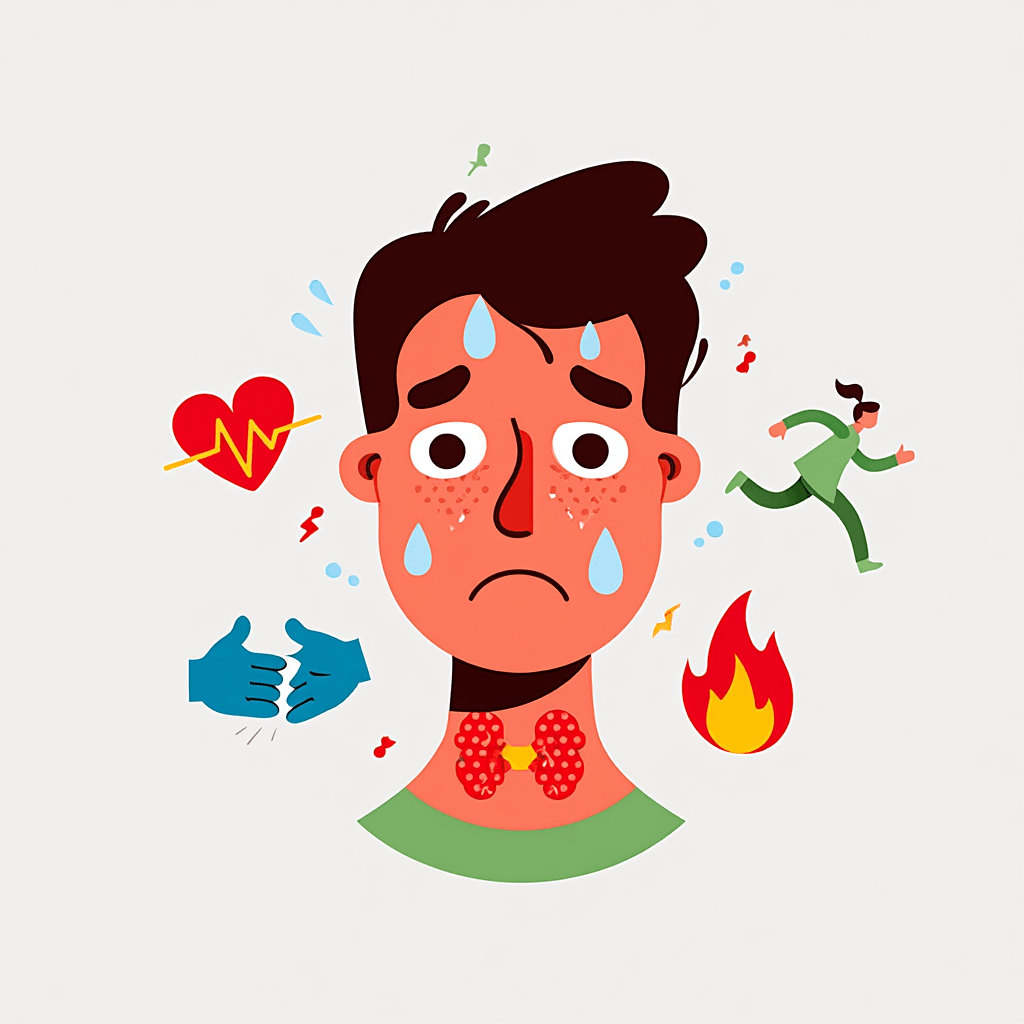
Women with hypothyroidism may experience low mood, reduced motivation, or memory difficulties. Those with hyperthyroidism may feel anxious, restless, or easily irritated.
Because these symptoms can resemble common emotional or stress-related issues, they are sometimes overlooked or misattributed.
Physical Changes to Watch For
Certain physical signs may point to an underlying thyroid issue:
- Hair thinning or hair loss
- Dry or coarse skin
- Swelling at the front of the neck
- Changes in voice
These signs may appear gradually and are often noticed only after some time.
Life Stages That Increase Risk
There are specific periods in a woman’s life when thyroid disorders are more likely to develop:
Puberty
Hormonal changes can reveal underlying thyroid imbalance.
Pregnancy and Postpartum Period
The thyroid is under increased demand, and autoimmune activity may rise.
Perimenopause and Menopause
Shifts in hormone levels can affect thyroid function and make symptoms more noticeable.
Awareness during these stages can lead to earlier detection and better management.
When to Seek Medical Advice
If symptoms persist or begin to interfere with daily life, it is wise to seek medical evaluation. A simple blood test can assess thyroid hormone levels and help guide treatment.
Early diagnosis makes a significant difference. Many thyroid conditions can be managed effectively with medication and regular follow-up care.
Supporting Thyroid Health
While medical treatment is essential for diagnosed conditions, general lifestyle habits can support overall well-being:
- Maintain a balanced diet with adequate nutrients
- Manage stress levels
- Attend regular health check-ups
- Pay attention to persistent changes in your body
These steps do not replace treatment but can complement it.
Final Thoughts
Thyroid disorders can influence many aspects of a woman’s health, often in ways that are not immediately obvious. From menstrual changes to emotional well-being, the signs can be subtle but meaningful.
Paying attention to these changes and seeking timely care can prevent complications and improve quality of life. With proper management, most women with thyroid conditions continue to lead healthy, active lives.