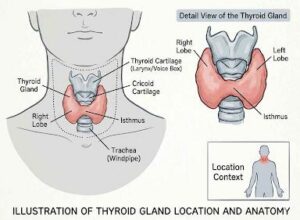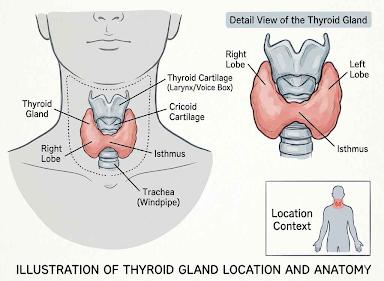
The thyroid gland may be small—roughly the size and shape of a butterfly—but its impact on your health is enormous. Nestled at the base of your neck, this tiny powerhouse regulates your metabolism, energy levels, body temperature, and even your mood. When it malfunctions, the effects ripple through nearly every system in your body. In this comprehensive guide, we’ll explore the two most common thyroid disorders: hypothyroidism (an underactive thyroid) and hyperthyroidism (an overactive thyroid), including their causes, symptoms, diagnosis, and treatment options.
What Is the Thyroid Gland?
Before diving into disorders, it helps to understand what the thyroid actually does. The thyroid gland produces two primary hormones: thyroxine (T4) and triiodothyronine (T3). These hormones control how your body uses energy—a process known as metabolism. The pituitary gland in your brain monitors thyroid hormone levels and releases Thyroid-Stimulating Hormone (TSH) to signal the thyroid when it needs to produce more or less.
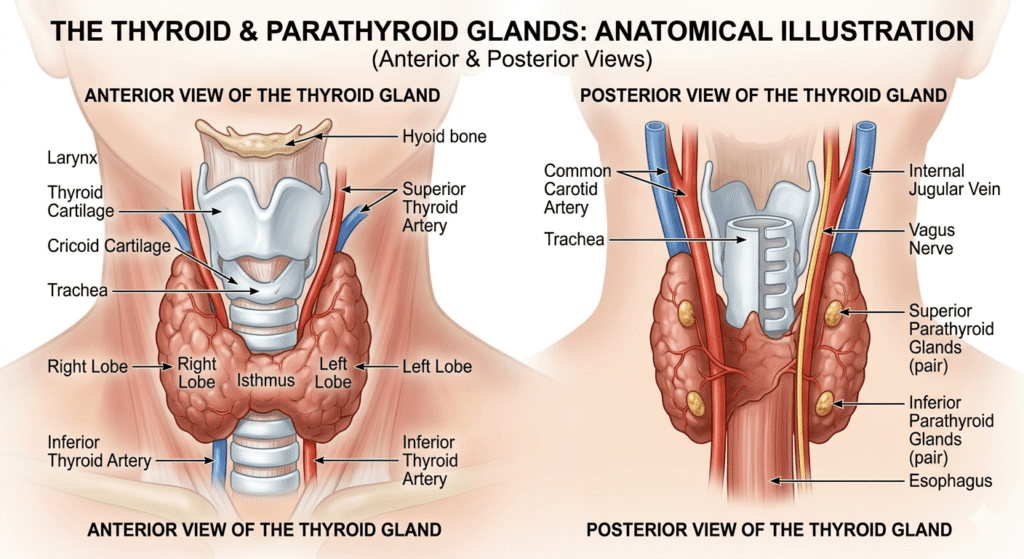
When this delicate feedback loop breaks down, hormone production becomes imbalanced, leading to either too little thyroid hormone (hypothyroidism) or too much (hyperthyroidism).
Hypothyroidism: When Your Thyroid Slows Down
What Is Hypothyroidism?
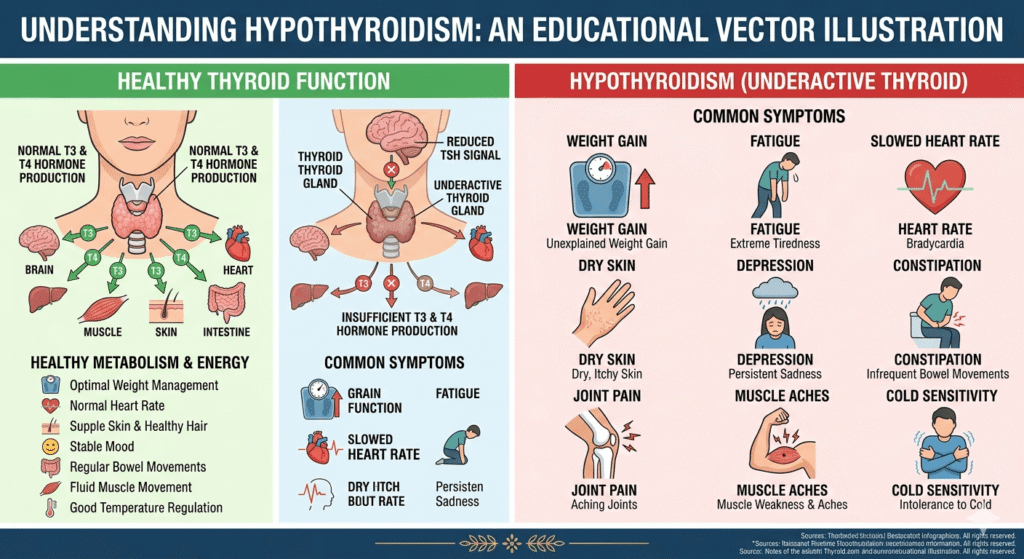
Hypothyroidism occurs when the thyroid gland fails to produce enough thyroid hormones to meet your body’s needs. This slows down your metabolism, causing your body’s processes to lag. It is the most common thyroid disorder, affecting an estimated 5% of the general population, with women and older adults being at higher risk.
Common Causes
- Hashimoto’s Thyroiditis: An autoimmune condition where the immune system mistakenly attacks the thyroid tissue. This is the leading cause of hypothyroidism in developed countries.
- Iodine Deficiency: Iodine is essential for thyroid hormone production. While rare in countries with iodized salt, it remains a significant cause worldwide.
- Thyroid Surgery or Radioactive Treatment: Removing or destroying part of the thyroid (often as treatment for hyperthyroidism or thyroid cancer) can lead to underactivity.
- Certain Medications: Lithium (used for bipolar disorder), amiodarone (a heart medication), and some cancer treatments can impair thyroid function.
- Congenital Issues: Some babies are born with an underdeveloped or absent thyroid gland.
Recognizing the Symptoms
Hypothyroidism often develops gradually, and its symptoms are frequently mistaken for normal aging or stress. Common signs include:
- Fatigue and sluggishness
- Unexplained weight gain
- Cold intolerance (feeling cold when others are comfortable)
- Dry skin and brittle hair
- Constipation
- Depression or mood changes
- Muscle weakness and joint pain
- Heavy or irregular menstrual periods
- Slowed heart rate (bradycardia)
Diagnosis
Diagnosing hypothyroidism is straightforward with a simple blood test. Your doctor will typically check:
- TSH (Thyroid-Stimulating Hormone): Elevated TSH is usually the first indicator, as the pituitary gland pumps out more TSH to try to stimulate a sluggish thyroid.
- Free T4: Low levels of free thyroxine confirm the diagnosis.
In some cases, your doctor may also test for thyroid antibodies (such as TPO antibodies) to confirm Hashimoto’s thyroiditis.
Hyperthyroidism: When Your Thyroid Speeds Up
What Is Hyperthyroidism?
Hyperthyroidism is the opposite problem: the thyroid produces too much thyroid hormone, speeding up your body’s metabolism. While less common than hypothyroidism, it can be more immediately dangerous if left untreated, particularly for heart health.
Common Causes
- Graves’ Disease: An autoimmune disorder where antibodies stimulate the thyroid to overproduce hormones. It accounts for roughly 70% of hyperthyroidism cases.
- Toxic Nodular Goiter: Lumps or nodules in the thyroid that autonomously produce excess hormone.
- Thyroiditis: Inflammation of the thyroid (sometimes following a viral infection or postpartum) can cause stored hormone to leak into the bloodstream.
- Excessive Iodine Intake: Consuming too much iodine (through supplements or certain medications) can trigger overproduction.
- Overmedication: Taking too much thyroid hormone medication for hypothyroidism can induce hyperthyroidism.
Recognizing the Symptoms
Hyperthyroidism tends to make everything in your body work too fast. Watch for:
- Unintentional weight loss despite increased appetite
- Rapid or irregular heartbeat (tachycardia or palpitations)
- Anxiety, nervousness, or irritability
- Trembling hands (tremor)
- Heat intolerance and excessive sweating
- Difficulty sleeping (insomnia)
- Frequent bowel movements or diarrhea
- Muscle weakness, especially in the upper arms and thighs
- Light or missed menstrual periods
- Bulging eyes (exophthalmos), particularly in Graves’ disease
Diagnosis
Like hypothyroidism, hyperthyroidism is diagnosed through blood tests:
- Low TSH: The pituitary gland detects excess thyroid hormone and shuts down TSH production.
- High Free T4 and/or T3: Elevated levels confirm overactivity.
Additional tests may include a radioactive iodine uptake scan to determine if the entire gland is overactive (as in Graves’ disease) or if specific nodules are the culprit. A thyroid ultrasound may also be used to evaluate nodules.
Reading Your Thyroid Labs: A Quick Guide
Understanding your lab results can be empowering. Here’s a simplified overview of how doctors interpret thyroid function tests:
| Condition | TSH | Free T4 | Free T3 |
|---|---|---|---|
| Hypothyroidism | High | Low | Low/Normal |
| Hyperthyroidism | Low | High | High |
| Subclinical Hypothyroidism | Slightly High | Normal | Normal |
| Subclinical Hyperthyroidism | Slightly Low | Normal | Normal |
Note: “Subclinical” means your hormone levels are borderline, and you may or may not have symptoms.
Treatment Options
Treating Hypothyroidism
The standard treatment for hypothyroidism is daily thyroid hormone replacement therapy, typically with levothyroxine (a synthetic form of T4). This medication restores normal hormone levels and alleviates symptoms.

Key points about treatment:
- Consistency is crucial: Take your medication at the same time every day, preferably on an empty stomach.
- Avoid interactions: Calcium, iron supplements, and certain foods (like soy) can interfere with absorption. Wait at least 4 hours before taking these.
- Regular monitoring: Your doctor will recheck TSH levels every 6–8 weeks after starting treatment or changing your dose, then annually once stable.
- Lifelong therapy: Most people with hypothyroidism need to take medication indefinitely.
Treating Hyperthyroidism
Hyperthyroidism has several treatment approaches, and the best choice depends on the cause, severity, and your preferences:
- Anti-thyroid Medications: Drugs like methimazole or propylthiouracil (PTU) block the thyroid from making new hormones. These are often the first line of treatment, especially for Graves’ disease.
- Radioactive Iodine Therapy: You swallow a small amount of radioactive iodine, which is absorbed by the overactive thyroid cells and destroys them. This is highly effective but often results in permanent hypothyroidism, requiring lifelong levothyroxine afterward.
- Beta-Blockers: While not treating the thyroid itself, medications like propranolol can quickly relieve symptoms such as rapid heartbeat, tremors, and anxiety.
- Surgery (Thyroidectomy): Surgical removal of part or all of the thyroid may be recommended for large goiters, suspicious nodules, or when other treatments fail. Like radioactive iodine, this usually leads to hypothyroidism.
Living With a Thyroid Disorder
Diet and Lifestyle
While medication is the cornerstone of treatment, lifestyle choices can support thyroid health:
- Iodine Balance: Ensure adequate but not excessive iodine intake. Most people get enough from iodized salt and a balanced diet. Avoid high-dose iodine supplements unless prescribed.
- Selenium and Zinc: These minerals support thyroid hormone conversion. Good sources include Brazil nuts, seafood, eggs, and legumes.
- Stress Management: Chronic stress can exacerbate autoimmune thyroid conditions. Practices like yoga, meditation, and adequate sleep are beneficial.
- Regular Exercise: Helps manage weight, mood, and energy levels, though those with hyperthyroidism should avoid overexertion until their condition is controlled.
When to See a Doctor
Contact your healthcare provider if you experience:
- Persistent fatigue or unexplained weight changes
- Rapid or irregular heartbeat
- New or worsening depression or anxiety
- A visible lump or swelling in your neck
- Changes in menstrual patterns
The Importance of Follow-Up
Thyroid disorders are chronic conditions that require ongoing management. Even after your symptoms improve, regular blood tests are essential to ensure your medication dosage remains appropriate. Hormone needs can change with age, weight fluctuations, pregnancy, and other health conditions.
Conclusion
Thyroid disorders are among the most common endocrine conditions, yet they often go undiagnosed because their symptoms are subtle and easily attributed to other causes. Whether your thyroid is running too slow or too fast, the good news is that both hypothyroidism and hyperthyroidism are highly treatable. With proper diagnosis, medication, and lifestyle adjustments, most people can manage their condition effectively and enjoy a full, healthy life.
If you suspect you might have a thyroid problem, don’t wait—schedule an appointment with your doctor for a simple blood test. That butterfly-shaped gland in your neck may be small, but keeping it healthy is one of the most important things you can do for your overall well-being.
Disclaimer: This article is for informational purposes only and does not constitute medical advice. Always consult a qualified healthcare provider for diagnosis and treatment of thyroid conditions.